
Conference equipment
More than 10 years of experience in conference equipment rental, installation and creation of audiovisual solutions.
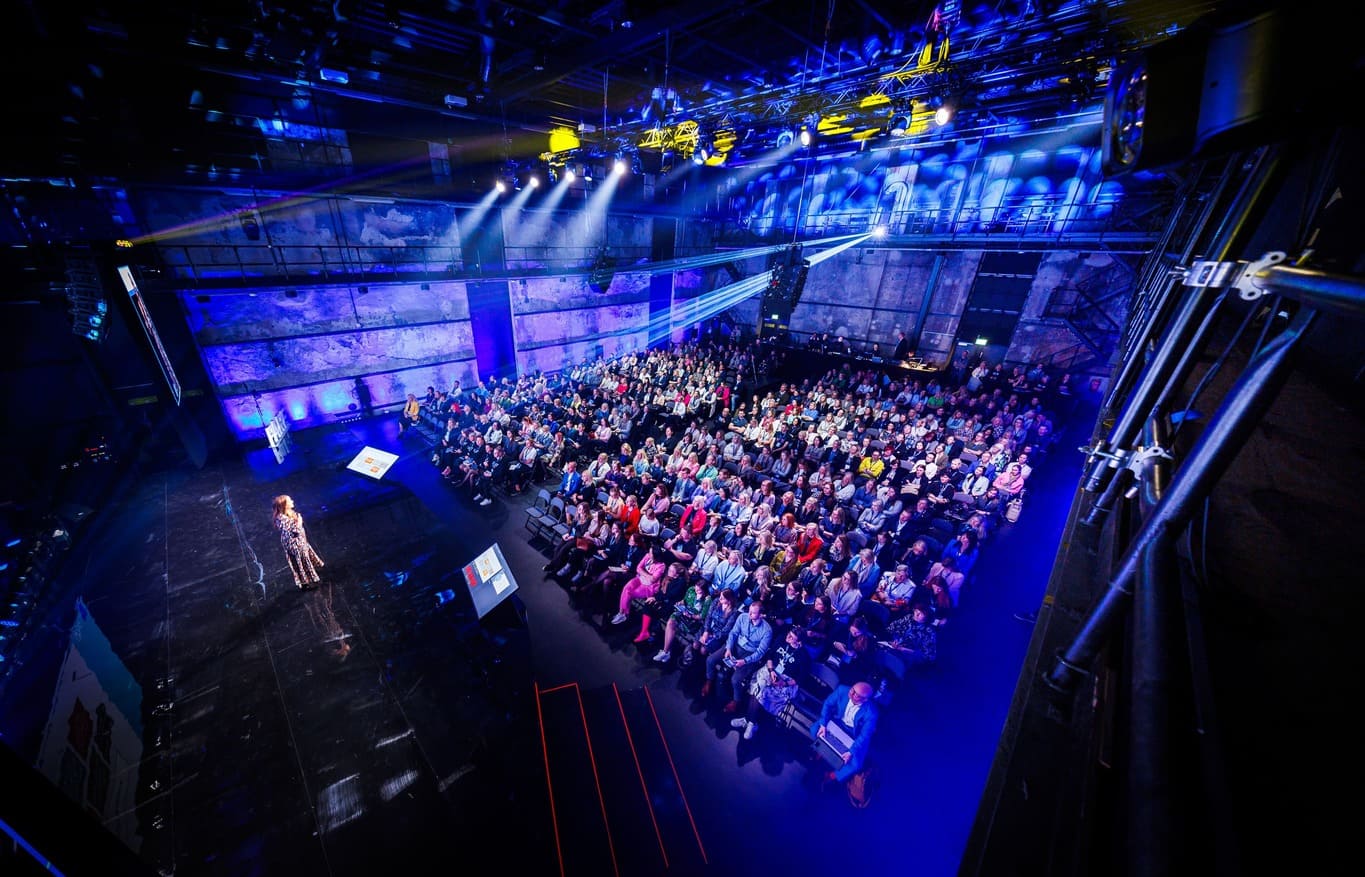
A modern conference is a complete audiovisual experience, where sound, light and video play an important role in the success of the event. You can find it among rental equipment reliable and modern equipment for every conference.
We rent everything you need to organize a conference: general lighting, atmospheric lighting, moving head lights, cameras, video consoles, converters, speakers, amplifiers, sound consoles and microphones.
Our base is in Tartu, but our flexible service covers all of Estonia. If necessary, our service includes equipment transport, on-site installation and technician support throughout the event.
-
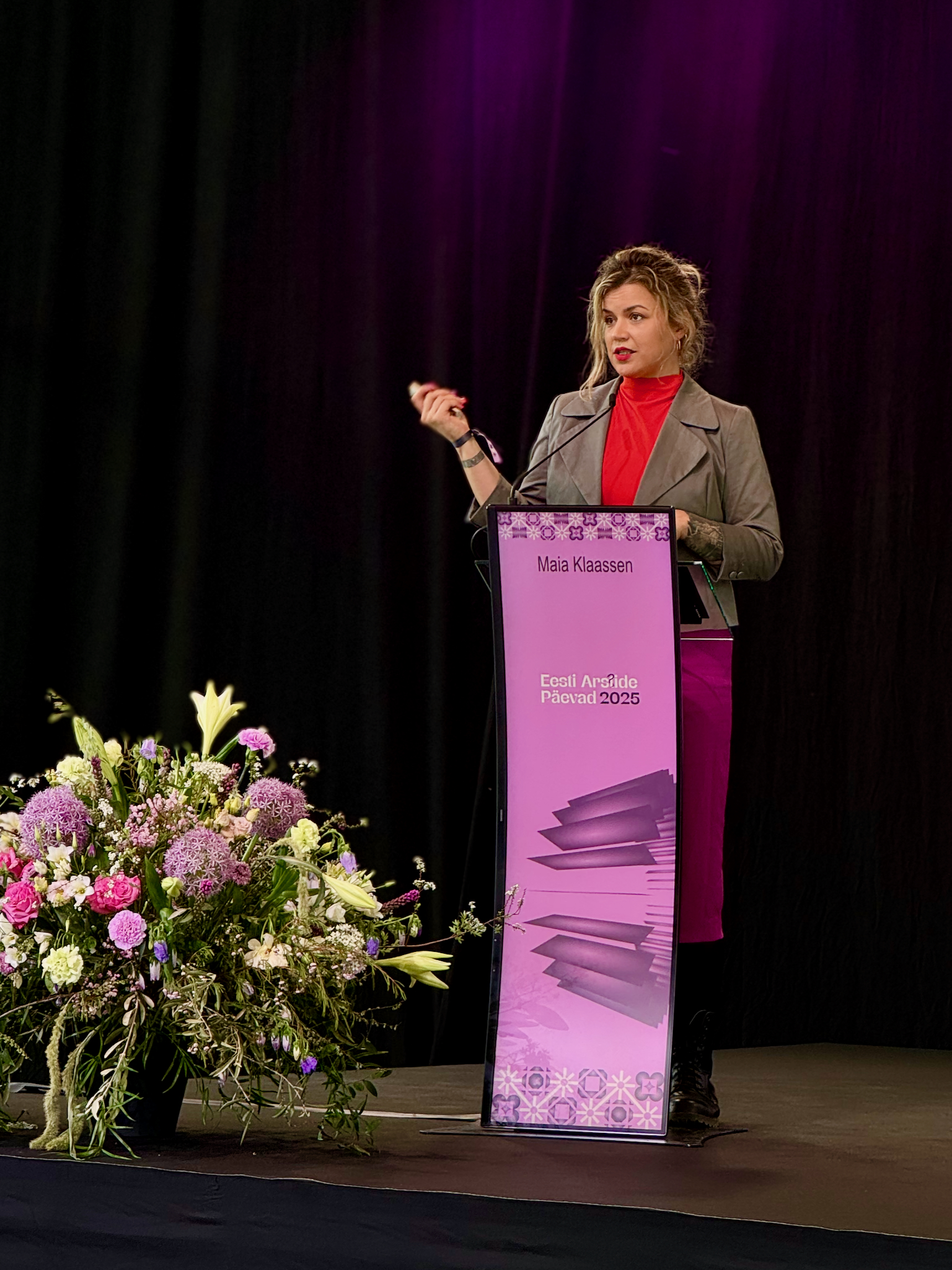
Digitaalne kõnepult/ Digital lectern
250,00 €
310,00 € KM-ga -

Kõnepult, valge/must
60,00 €
74,40 € KM-ga
Conference audio solutions
Sound is the most critical element of any conference. The main purpose of the sound system is to ensure absolute clarity of the speech – every word uttered on the stage must be effortlessly heard and understood by both the first and last rows of the hall.
The sound solution is always designed according to the acoustics of a specific room, the height of the ceilings and the number of participants. Modern conferences use integrated systems where the sound pressure is evenly distributed in the hall, avoiding a situation where the sound is too loud in the front row and too quiet in the back.
Necessary audio equipment and their function:
- The main speakers (column speakers or line-array systems) are placed next to the stage and directed to the audience zone. Modern column speakers ensure that the sound is much less attenuated in the distance and they provide a uniform and clean volume throughout the room.
- Intermediate speakers (delay speakers). In large halls, additional speakers are placed in the center of the hall. They are set with a time delay measured in milliseconds, which ensures that the sound reaches the listeners in the back rows at the exact moment when the sound wave comes from the stage and prevents echo and double sound.
- Stage monitors (speakers for performers). Since the main speakers of the hall are directed towards the audience, the performer cannot hear his own voice while on stage. Stage monitors are small speakers aimed at the performer that play sound back to him. This gives the performer a more solid feel.
- Head and chest microphones give performers complete freedom of movement and leave their hands free. Since the microphone moves with the speaker’s head, consistent volume and quality is ensured even when the performer turns his head and moves around the stage.
- Handheld microphones are necessary tools for audience question rounds and panel discussions. They are used in conjunction with high-quality wireless systems that ensure a stable frequency throughout the hall.
- The digital sound control and processor is the brain of the sound system, where the sound director adjusts microphone frequencies in real time, removes background noise and ensures smooth transitions between speech and music clips.
Video technology and presentation solutions
The task of conference video technology is to turn a static presentation environment into a dynamic and visually engaging one. The main goal is to convey information – presented slides, graphs, texts and video clips must be crystal clear readable from every corner of the hall. Another important goal is to bring the performer closer to the audience, which is achieved by means of real-time image direction and large screens.
Modern video equipment enables the creation of multi-screen solutions and dynamic content exchange. This means that the screen surface can be divided into parts in real time: for example, one screen zone displays the speaker’s slides, another shows a live camera image of the speaker’s emotions, and the third shows a social media stream or conference insignia.
Required video equipment and their function:
- LED video walls. Large screens assembled from modules have become a standard in modern conferences. Unlike projectors, the LED wall is exceptionally bright and has high contrast. There is no need to darken the windows or turn off the lights in the hall – the graphics are bright and the text is readable even in the sunniest room.
- Laser projectors and frame screens are an alternative to the LED wall. Powerful, high-lumen laser projectors ensure a sharp image in dimmed stage areas and offer a large screen area.
- Auxiliary screens on stage (reversible monitors) are placed on the floor in front of the performer. From them, the lecturer can see his current slide, the next slide, notes and the presentation timer. This allows the performer to interact with the audience without ever having to turn his back to the hall to check what is being shown on the screen behind him.
- Professional studio and PTZ robot cameras enable multi-camera production. Operators or remote-controlled robotic cameras capture the performers’ facial expressions, gestures and audience reactions, transmitting them as a live image to large screens or webcasting.
- Video remote control and signal switches (switchers). In the video console, the video director controls the visual rhythm of the event. The system allows you to switch from the image of the presentation computer to the camera in a second, start animated intermediate clips or create picture-in-picture (PiP) solutions.
- Presentation computers and professional slide consoles. Optimized and stable laptops with large-range slide controls (clickers) that ensure smooth and delay-free presentations.
Conference lighting: visibility, background and professional image
The role of lighting among conference equipment should not be underestimated. Conventional ceiling lighting in halls is mostly uneven and characterless. The goal of conference lighting is to bring everything happening on stage into focus, create an atmosphere that matches the theme of the event, and create the right lighting conditions for video cameras and photographers.
With the help of properly selected lighting techniques, you can create a background that supports the visual identity of the conference. This makes the room presentable and ensures that the recorded footage or live broadcast looks like a professional TV show and not a hobbyist video.
Necessary lighting devices and their function:
- The stage’s general lights flood the stage with uniform, natural white light. Their job is to ensure that performers’ faces are shadow-free from every angle, and that photographers and videographers can take high-quality photos and video clips.
- Profile spotlights are lights with a precisely adjustable beam. With them, the beam of light can be directed to the loudspeaker or the speaker, and thus the audience’s focus.
- Mood and atmosphere lights are placed on the floor next to the walls or curtains in the hall. They are directed upwards and set in the style and brand colors of the conference. These lights make the milieu of the room presentable without disturbing the general visibility.
- Moving head lights are computer-controlled lights that are used to increase the dynamics of an event, for example when performing on stage, announcing breaks or creating show elements.
- The lighting console is a lighting control center where the lighting technician programs and changes different light images in real time, depending on whether there is, for example, a single speaker on the stage or a panel discussion.
- Fog machines, which are used to create a very gentle and unnoticeable fog in the hall, so that the light rays become visually visible in the air.
Special systems and stage furniture: functionality and international readiness
In addition to sound, light and video equipment, each conference needs special systems that ensure the comfort of the speakers and enable the involvement of an international audience.
Special systems and furniture required:
- Representative speaking consoles. The main workplace for performers on the stage, which has integrated microphone sockets, cable connections for the lecturer’s own devices and, if necessary, small monitors for convenient monitoring of the presentation.
- The technique of simultaneous interpretation is essential for international conferences. This includes soundproof interpretation booths where the interpreters can hear what is happening on stage directly through headphones, and special radio-frequency pocket receivers with headphones for the audience to listen to the interpretation in real time.
Event management and staff
To organize a successful conference, you need different equipment, and also that all sound, lighting and video equipment work in perfect harmony with each other. For this, it makes sense to involve an experienced team – sound director, video director, lighting technician and camera operators. Punkt i puha not only rents equipment, but ensures the presence of experienced professionals and the proper operation of all systems throughout the event.
In addition to equipment rental and production team services, we offer:
- transport and installation of equipment at the event site;
- designing video, sound and lighting solutions according to the theme of your event;
- taking down the equipment after the event.
Frequently asked questions
The conference room has a lot of daylight. Can you see anything on the screen at all?
Yes, if we use LED video wall. The LED wall is bright and not afraid of sunlight, all graphics and texts are clearly readable even in bright sunlight.
What is a reverse monitor and why is it necessary?
It is a low screen that is placed on the stage floor in front of the performer. The presenter can see his current slide, next slide, notes and timer from there. The lecturer gets all the necessary information for the presentation from the monitor and does not have to turn his back to the audience to watch the big screen.
How much does the technical implementation of one medium-sized conference cost?
The price depends entirely on the result you want to achieve. Contact us and talk about your plans and wishes. Based on this, we will put together a detailed offer.